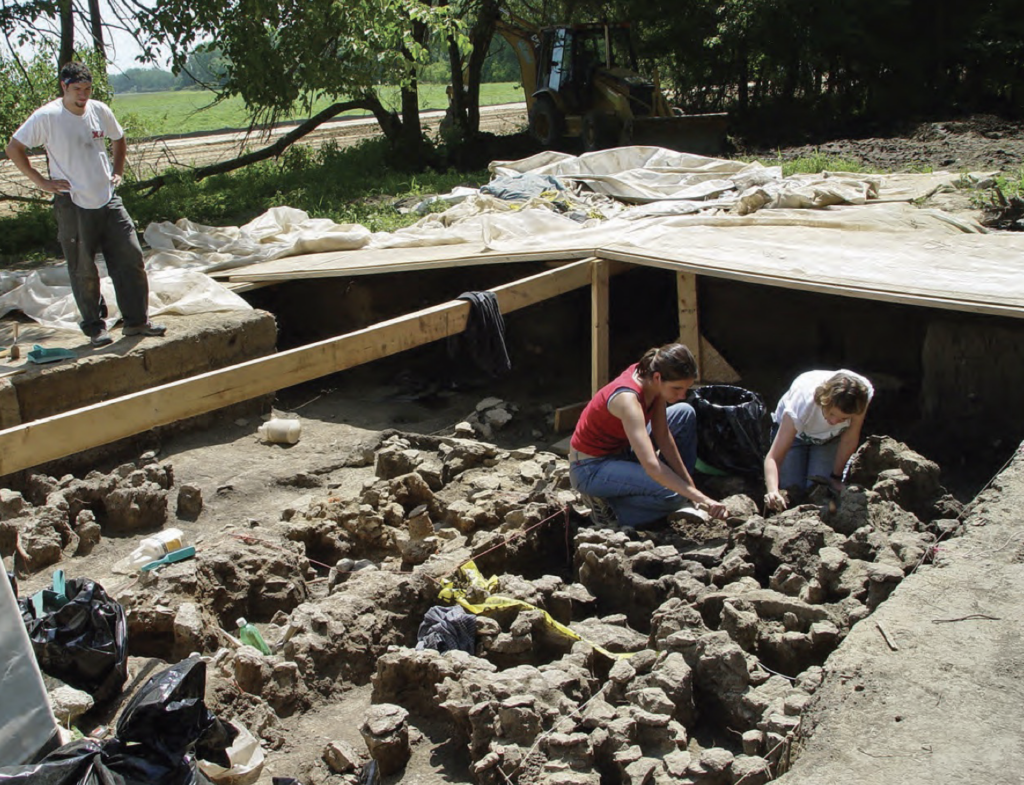
Tucked quietly into the rolling hills of the Ponca Hills just north of Omaha lies one of Nebraska’s most remarkable, yet often overlooked, historic places: Engineer Cantonment.
At first glance, the site’s natural beauty with river bluffs, wooded hillsides, and wide Nebraska skies overlooking the Missouri River, gives little hint of its national significance. Yet during the winter of 1819–1820, this landscape became the setting for a pivotal chapter in early American exploration and science.
Engineer Cantonment served as the temporary winter camp for Major Stephen Harriman Long and the members of the historic Yellowstone Expedition. What unfolded here was far more than a military encampment. It became one of the earliest scientific research stations in the American West.
A Frontier Laboratory of Discovery
Major Long assembled what historians have described as the largest and best-trained group of civilian scientists to accompany any U.S. government expedition of its time.
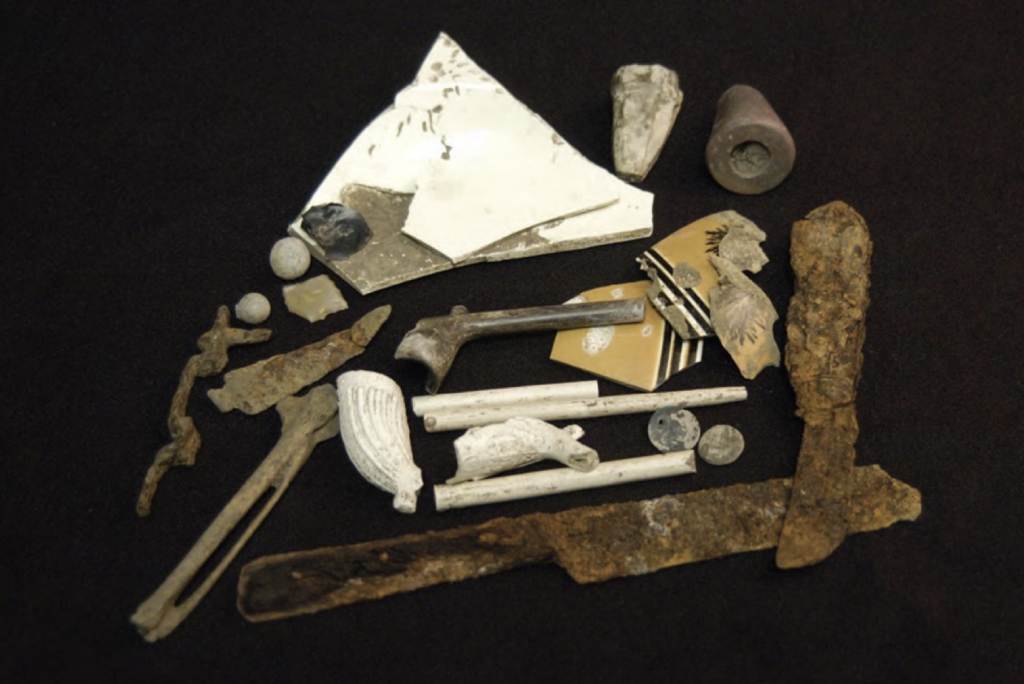
Among them were several pioneers of American science:
- Dr. William Baldwin – botanist
- Thomas Say – zoologist and entomologist
- Augustus Edward Jessup – geologist
- Titian Ramsay Peale – assistant naturalist and illustrator
- Samuel Seymour – expedition artist
During their eight-month stay, these scientists carefully documented the plants, animals, geology, and landscapes of the region. Their work is widely recognized as the first biodiversity inventory undertaken in the United States.
Specimens were cataloged, species described, and landscapes recorded in drawings and journals. Their observations helped shape early American scientific understanding of the Great Plains and challenged assumptions that the region was barren or unimportant.
The discoveries made here sparked curiosity across the young nation and contributed to a growing scientific and cultural interest in the American West.
The Steamship That Carried Discovery Up the Missouri
Another remarkable part of the expedition’s story is how the party arrived. Major Long and his team traveled up the Missouri River aboard the Western Engineer, the first steam-powered vessel to travel this far up the Missouri river.
At a time when most river travel depended on keelboats pushed by poles, sails, or manpower, the Western Engineer represented cutting-edge technology. The vessel itself was designed to make an impression. Its bow featured a dramatic serpent-shaped figurehead that could blow steam and smoke from its mouth, a design meant to signal American strength and presence along the frontier. Because of this unusual appearance, the vessel was sometimes nicknamed “Long’s Dragon.”
Where Place and Curiosity Met
Engineer Cantonment represents a remarkable intersection in American history:
- Science met frontier exploration
- Discovery met landscape
- Nebraska met the young nation’s expanding identity
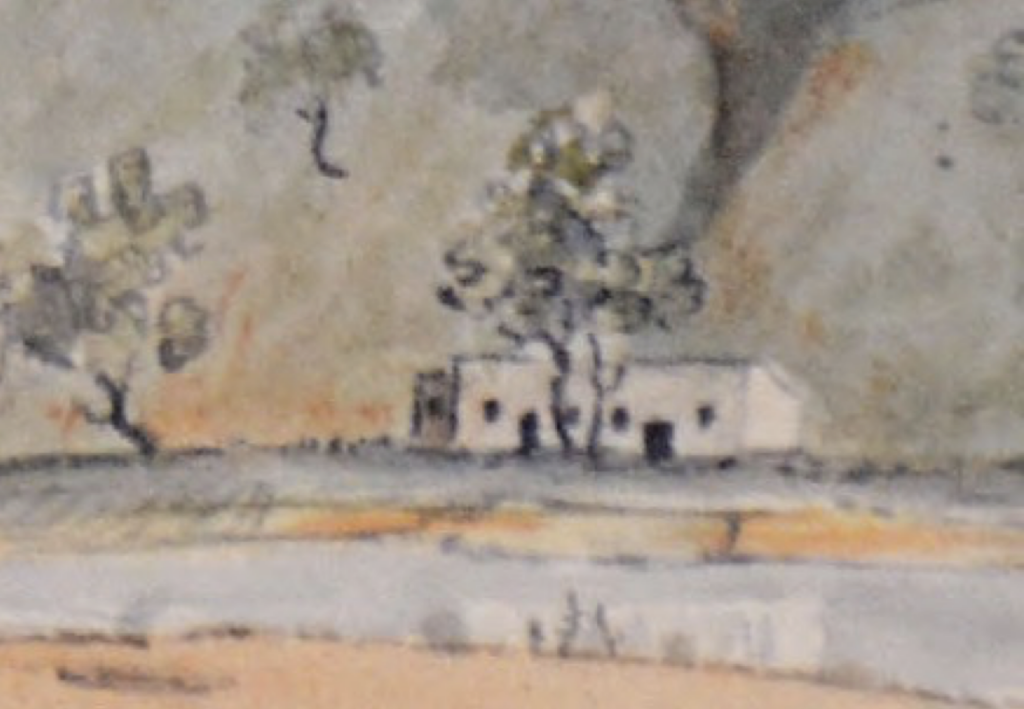
In an era when much of the continent was still unknown to Americans in the East, the work conducted here helped introduce the natural richness of the Plains to scholars, policymakers, and the public.
Preserving the Story
Today, the Nebraska State Historical Society Foundation (NSHSF) is working to ensure this extraordinary story receives the recognition it deserves.
Plans are underway to install a Nebraska Historical Marker at Engineer Cantonment, helping preserve and interpret the site for visitors, students, and future generations.
Historic markers do more than identify locations. They:
- Invite reflection
- Spark curiosity
- Connect communities to the deeper layers of their shared past
By recognizing Engineer Cantonment, Nebraskans can better understand how their landscape helped shape the early scientific exploration of America.
History Hidden in Plain Sight
Engineer Cantonment reminds us that history is not only found in grand monuments or famous battlefields. Sometimes, it lives quietly in the hills, waiting for its story to be told.
And when we uncover those stories, we strengthen the connection between place, people, and the shared heritage that defines Nebraska.
Together, we preserve. Together, we inspire.
Those interested in supporting the Engineer Cantonment marker project can learn more or donate here.