Engineer Cantonment
Recognizing an extraordinary chapter of Nebraska and American history
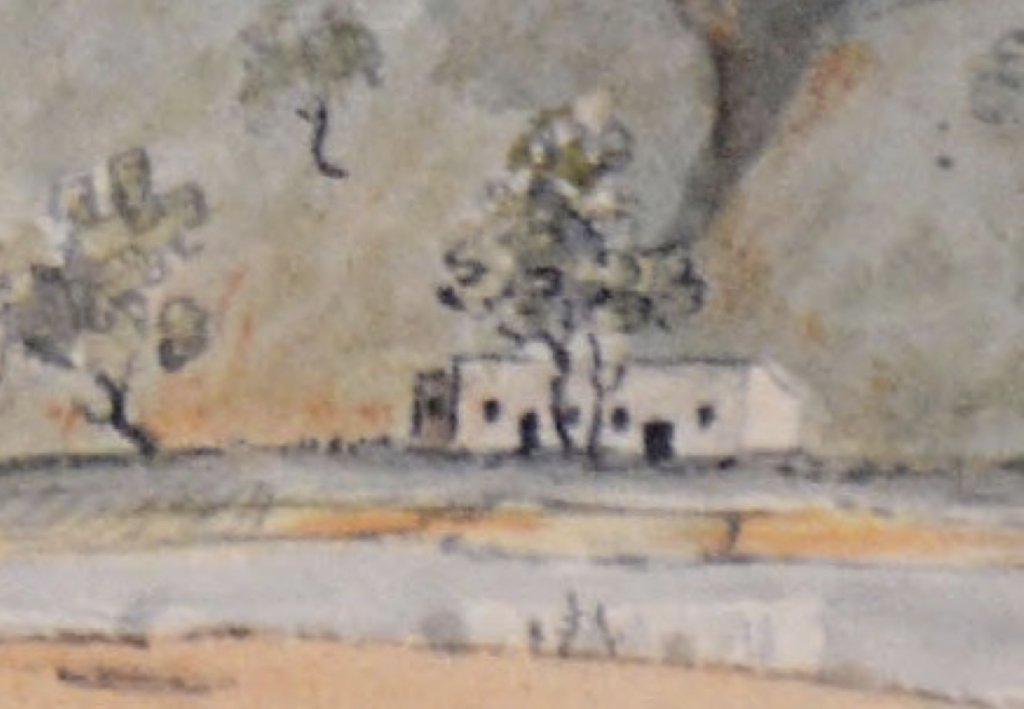
In the winter of 1819–1820, Major Stephen H. Long led the first federally authorized scientific expedition following Lewis and Clark. Traveling by steamboat—reportedly the farthest north any steamboat had reached on the Missouri River at that time—the party established a winter encampment north of present-day Omaha, naming it Engineer Cantonment. There, they constructed log cabins and began an ambitious study of the Great Plains.
Tasked with documenting the region’s plants, animals, geology, and geography, Long assembled one of the most distinguished scientific teams of the early republic. Their eight-month stay produced what historians regard as the first biodiversity inventory conducted in the United States. The expedition also held councils with Indigenous nations of the region, recording invaluable observations about culture, trade, and diplomacy. Together, their work laid a foundation for our modern understanding of the natural and cultural history of the central and southern Great Plains.
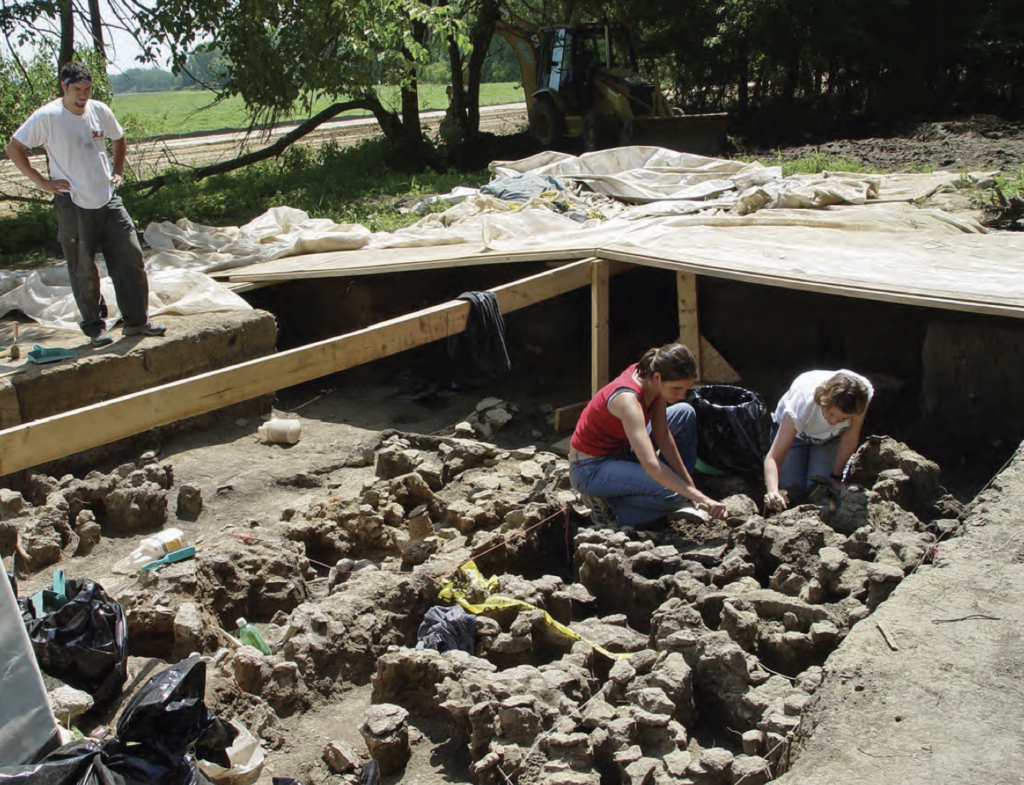
In the early 2000s, archaeologists rediscovered and excavated the remains of Engineer Cantonment, uncovering a remarkable collection of artifacts that shed new light on early 19th-century exploration, frontier technology, architecture, subsistence practices, and the emerging field of American science. Recognizing the site’s national significance, Herb and Gloria Gibreal generously donated the 3.73-acre property to the Nebraska State Historical Society Foundation to ensure its preservation in perpetuity.
Today, the Foundation is moving forward with plans to create a small vehicle turnout at the site, accompanied by thoughtfully designed interpretive panels and an official Nebraska State Historical Society historical marker. These improvements will make this extraordinary chapter of Nebraska and American history visible and accessible to the public for the first time.
Thanks to our Cantonment neighbors, Nancy and Mike McCarthy, we have secured funding for nearly half the cost of the project. Their leadership gift allows us to invite others to join in matching their support to bring this vision fully to life. We invite you to stand with them in bringing this important project to completion.
We are seeking approximately $18,000 in matching funds to complete the project. Gifts of $1,000 or more will be permanently recognized on the interpretive panels—an opportunity to stand alongside the McCarthys in preserving and interpreting this nationally significant site.
Together, we can honor a place of discovery, science, and cross-cultural encounter—ensuring its story endures for generations to come.